Our Story
About Shared Spectrum, and the person who started it.
This is the honest version of why this community exists, why it takes the shape it does, and why it brings together two distinct but deeply connected paths.
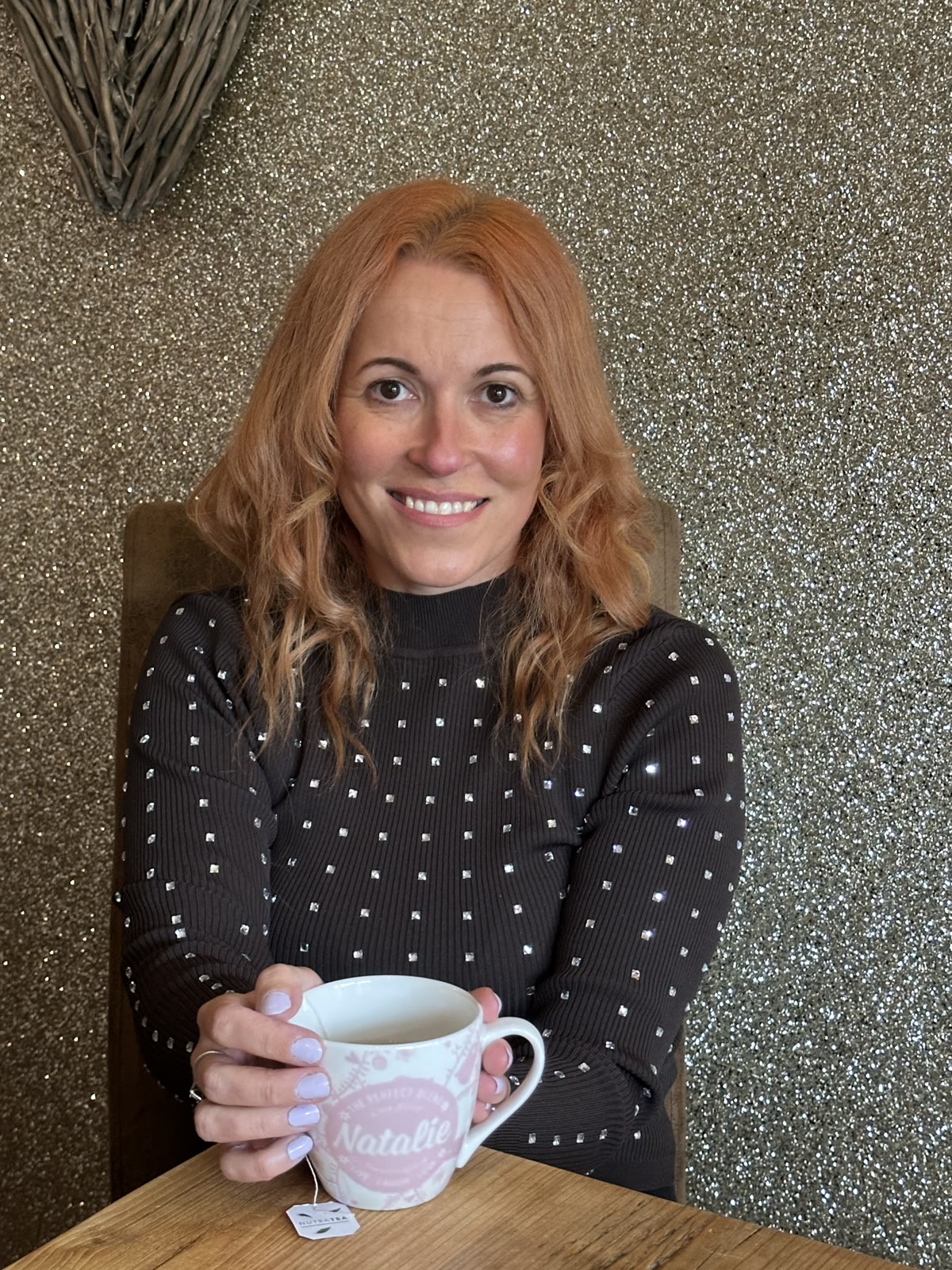
I am an AuDHDer, a mum, a life coach, and someone who spent a long time searching for support that actually fitted how my brain works - and the lives that many of us are quietly carrying.
Too sensitive. Too intense. Too much. I carried those ideas for years because I didn't have another explanation for why everything seemed to take more effort for me than it did for other people.
I was 41 when I was diagnosed with ADHD. An Autism diagnosis followed not long after. The relief was huge - not because a diagnosis magically fixes your life, but because finally understanding why your brain works the way it does changes everything. You stop blaming yourself for every single struggle.
Then comes the grief. Looking back at years of difficulty and realising how much of that pain might have softened if there had been understanding earlier. That lands hard.
"There are plenty of Facebook groups out there with hundreds of thousands of people in them - but they can be so overwhelming and overstimulating. You can spend hours scrolling and never actually find the answer you need. I wanted to create the exact opposite of that."
I had spent years trying to understand myself better - going to therapy, building routines, learning boundaries, working out what helped. Then perimenopause arrived and seemed to tear straight through all of it.
The anxiety felt different. The overwhelm was sharper. The brain fog was heavier. I came to realise that for neurodivergent women, hormonal shifts can completely knock you sideways. The coping mechanisms that just about held everything together start collapsing.
I needed a safe space to just talk and let it all out. There was nowhere to go where you could talk about hormones and neurodivergence at the same time without having to constantly explain yourself. So, alongside my life coaching experience, I built one. That is the first reason Shared Spectrum was built.
My son is neurodivergent too. Watching him try so hard to fit in at school - acting like everything is fine, masking brilliantly - I saw so much of myself in him.
You spend your whole time trying to explain your child to the rest of the world. Constantly telling teachers what is really going on behind the scenes, because on the outside he looks like he is coping. That constant advocating is exhausting. Parents and carers do so much of it with almost no support. You are expected to keep the wheels turning and keep everyone else regulated - often while trying to figure out your own brain at the same time.
That is the other vital piece of Shared Spectrum.
…is often the very same mum trying to advocate for her child at school. She may start to see bits of herself in her child and realise she might be neurodivergent too.
…may be at any stage of their own neurodivergent journey. The grief, burnout, masking, and constant self-translation are not identical across both groups - but they are deeply related.
That is why Shared Spectrum is just one community. One space built around two parts of life that naturally overlap every single day - and support that does not stop when the session ends.
Big, unstructured groups drain energy before you even get a chance to talk. Everyone gets a chance to be known and listened to.
Structure keeps things feeling safe and manageable. You know what to expect. That matters when your nervous system is already stretched.
Keeping the cost low means the support stays accessible to anyone who needs it - not just those who can afford it.
One-off events are nice. But real support builds over time. Trust builds. Familiarity builds. The sessions get more useful the more you come.
Resources, tools, and a private member WhatsApp group. Because real life does not wait politely for the next meeting.
Starting in West Yorkshire, growing organically. We would rather do this properly than rush it and lose what makes it work.
You do not need a diagnosis. You do not need a polished explanation. You do not need to have worked everything out before you arrive.